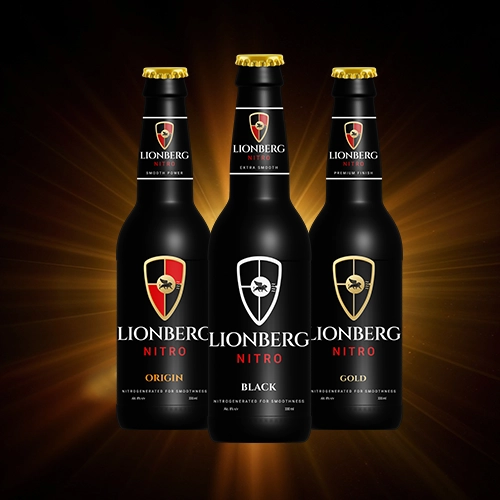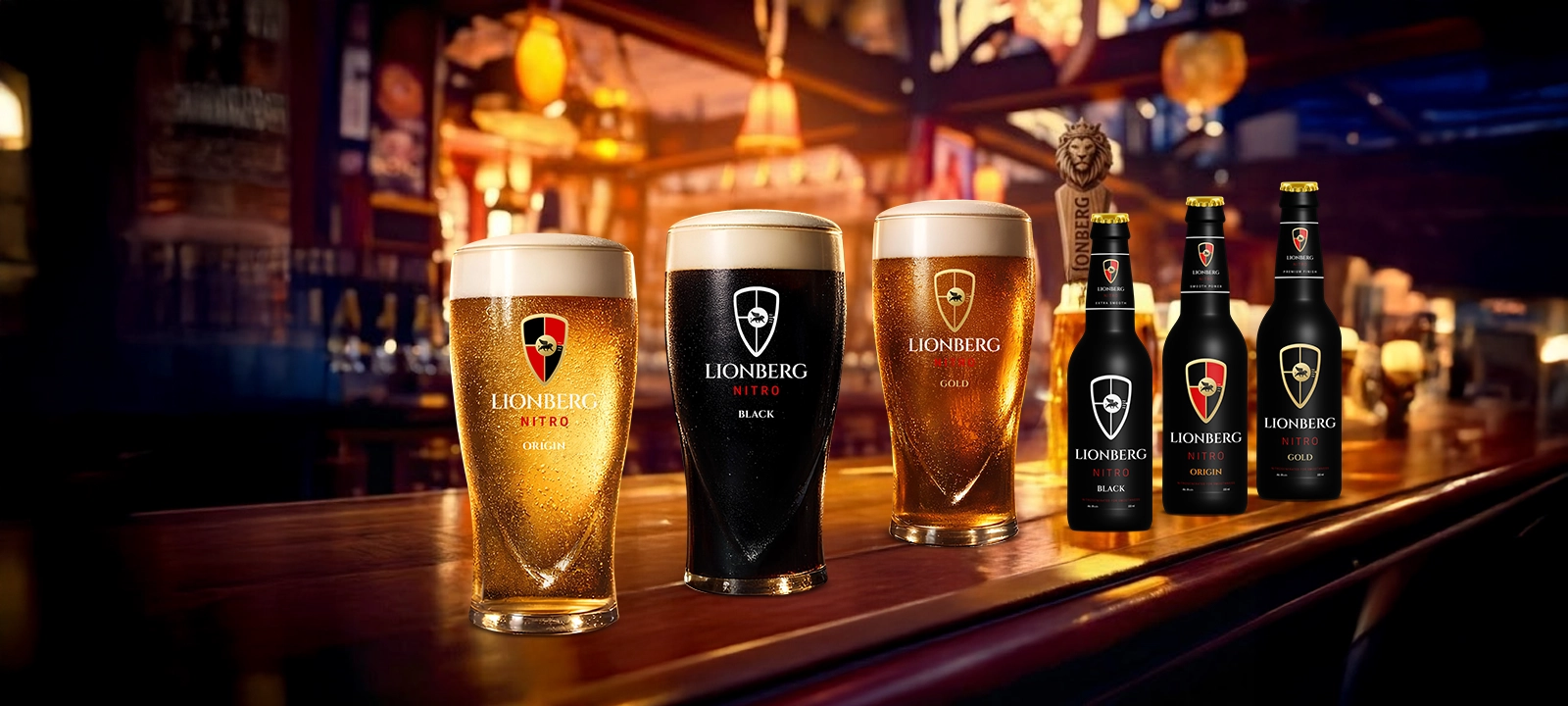
The Magic of Nitro: Why LIONBERG Nitro Is So Smooth

Lionberg Drink Nitro

If you’ve ever watched a nitro beer cascade slowly down the glass — that mesmerizing waterfall effect — you already know something special is happening. That creamy head. That velvety texture. That ultra-smooth first sip.

Welcome to the world of LIONBERG Nitro — where science meets craft, and every pour feels like an experience.

But what exactly makes nitro beer different? And why does nitrogen create such a dramatically smoother drink than traditional carbonation?

Let’s break it down.

What Does “Nitro” Actually Mean?

Most beers are carbonated using carbon dioxide (CO₂). The gas dissolves into the liquid under pressure and creates larger, sharper bubbles. That’s what gives traditional beer its crisp bite and fizzy mouthfeel.

Nitro beer is different.

Instead of relying purely on CO₂, nitro beers use nitrogen gas (N₂) — either fully or in a blended mix. Nitrogen bubbles are:

  • Smaller
  • Less soluble in liquid
  • Softer on the palate

Because nitrogen bubbles are tiny and dense, they create:

  • A creamy, velvety mouthfeel
  • A thicker, longer-lasting foam head
  • A smoother drinking experience
  • Reduced acidity bite

That’s the magic behind the iconic cascade effect you see in legendary nitro pours like those popularized by Guinness and later refined in American craft by Left Hand Brewing Company.

LIONBERG Nitro builds on that tradition — and pushes it forward.

The Science Behind the Smoothness

Here’s where it gets interesting.

Nitrogen behaves very differently from CO₂:

Carbon Dioxide            Nitrogen

Highly soluble              Low solubility

Larger bubbles              Micro-fine bubbles

Sharp mouthfeel         Creamy texture

Fizzy bite                     Soft, velvety finish

Because nitrogen does not dissolve easily, it must be forced through a special restrictor plate or nitro tap. This creates high pressure and breaks the gas into microscopic bubbles as the beer is poured.

Lionberg

That’s why when you pour LIONBERG Nitro, you see:

  1. A dramatic cascading effect
  2. Bubbles moving downward before rising
  3. A dense, creamy head forming at the top

It’s physics in a glass — and it’s beautiful.


Why LIONBERG Nitro Feels Different

Nitro isn’t just about appearance. It fundamentally changes how beer interacts with your palate.

1  Creamier Texture

The micro-bubbles create a silky body that coats the tongue evenly.

2   Balanced Flavor Delivery

Without aggressive carbonation, the flavors unfold more gently. Malt sweetness, roasted notes, or subtle aromatics come through smoothly instead of being masked by fizz.

3   Reduced Bitterness Perception

Nitrogen softens sharp edges. Even beers with bold character feel refined and approachable.

4   Elevated Drinking Experience

Nitro turns a simple drink into a ritual — from the slow pour to the final creamy sip.


With LIONBERG Nitro, the focus isn’t just on making beer. It’s about creating an experience that feels premium from start to finish.

The Cascade Effect: More Than Just A Show

That hypnotic waterfall motion isn’t just aesthetic.

When LIONBERG Nitro is poured:

  • Nitrogen bubbles are forced through a restrictor plate.
  • The bubbles surge upward.
  • Liquid displacement causes downward visual flow along the glass walls.
  • A dense foam cap forms on top.

This foam is tighter and more stable than traditional beer foam, which means:

  • It lasts longer
  • It enhances aroma retention
  • It improves mouthfeel
  • It protects the beer from quick oxidation

So yes — it looks stunning on Instagram. But it also improves quality.


Nitro vs Traditional Beer: A Side-by-Side Experience

Imagine tasting two versions of the same beer:

Traditional Carbonated Version

  • Sharp carbonation bite
  • Lively fizz
  • Crisp finish

LIONBERG Nitro Version

  • Creamy entry
  • Smooth mid-palate
  • Velvet-soft finish

The flavor profile might be similar, but the texture transforms everything.

That transformation is what keeps nitro lovers coming back.
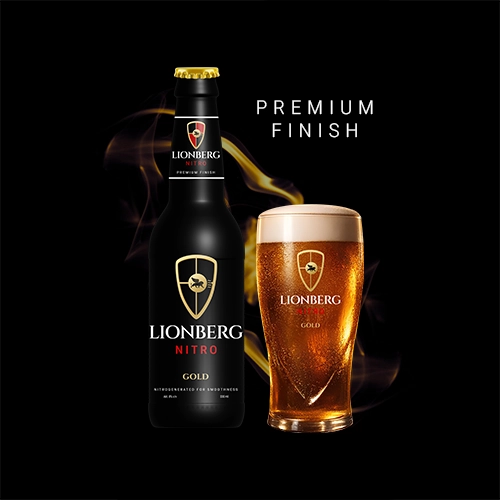
Drink Nitro

Lionberg Drink Nitro

Why Nitro Is Growing in Craft Culture

Nitro beers were once mostly associated with dark stouts. But innovation changed that.

Brands like Left Hand Brewing Company helped bring nitro beyond draft systems and into bottles and cans, making it accessible everywhere.

Today, nitro styles include:

  • Stouts
  • Porters
  • Pale ales
  • Coffee beers
  • Seasonal specialties

LIONBERG Nitro embraces this modern evolution — proving that nitro isn’t just a style. It’s a movement.


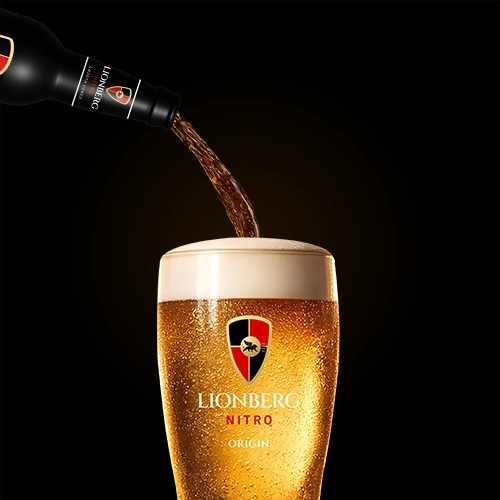
How to Pour LIONBERG Nitro Perfectly

To unlock the full experience:

  1. Use a clean glass.
  2. Pour hard and straight down the middle (yes, not tilted).
  3. Fill about ¾ full.
  4. Let the cascade settle.
  5. Top off to form the creamy head.

Unlike traditional beer, nitro loves an aggressive pour. That’s what activates the texture.


The Sensory Experience of LIONBERG Nitro

Close your eyes and imagine:

  • A smooth, cascading pour.
  • A creamy tan head forming slowly.
  • A soft, velvety sip coating your palate.
  • Balanced flavors unfolding without harsh carbonation.

That’s not just beer.

That’s craftsmanship engineered for smoothness.


Why Smoothness Matters

In today’s craft beer world, drinkers want:

  • Flavor depth
  • Drinkability
  • Premium feel
  • Visual appeal

Nitro delivers all four.

LIONBERG Nitro is designed for people who appreciate the ritual — the pour, the texture, the patience, the finish.

It’s not rushed.

It’s not aggressive.

It’s refined.


Final Sip: The Magic in Every Glass

Nitrogen transforms beer from fizzy to luxurious. From sharp to smooth. From ordinary to memorable.

LIONBERG Nitro stands proudly in the tradition shaped by pioneers like Guinness and modern craft innovators like Left Hand Brewing Company — but with its own bold identity and character.

So the next time you watch that cascading pour settle into a creamy masterpiece, remember:

It’s not just bubbles.

It’s science.

It’s craft.

It’s experience.

It’s LIONBERG Nitro.