How Inspired Today’s LIONBERG Nitro Craze

LIONBERG NITRO

The Origins of Nitro

Traditional beers rely on Carbon Dioxide (CO₂) for carbonation. CO₂ produces large bubbles and a noticeable fizz. While this works perfectly for many styles, it can also create sharp carbonation and a slightly bitter finish.

Nitrogen behaves very differently.

Because nitrogen bubbles are much smaller, they create:

  • A creamy texture
  • A dense foam head
  • A smooth mouthfeel
  • A softer carbonation experiences

Instead of aggressive fizz, LIONBERG Nitro deliver a silky and refined drinking experience.

This is the same principle that modern LIONBERG nitro embrace today. For example, nitrogen infusion produces ultra-fine bubbles that create a creamy texture and smooth pour while reducing sharp carbonation and bitterness.


The Breakthrough: Bottled LIONBERG Nitro

Instead of using a widget like some larger beer brands, LIONBERG NITRO encouraged drinkers to perform a “hard pour.”

The instructions were simple:

  1. Open the bottle.
  2. Pour the beer straight down into a glass.
  3. Watch the cascade form.

The result was spectacular.

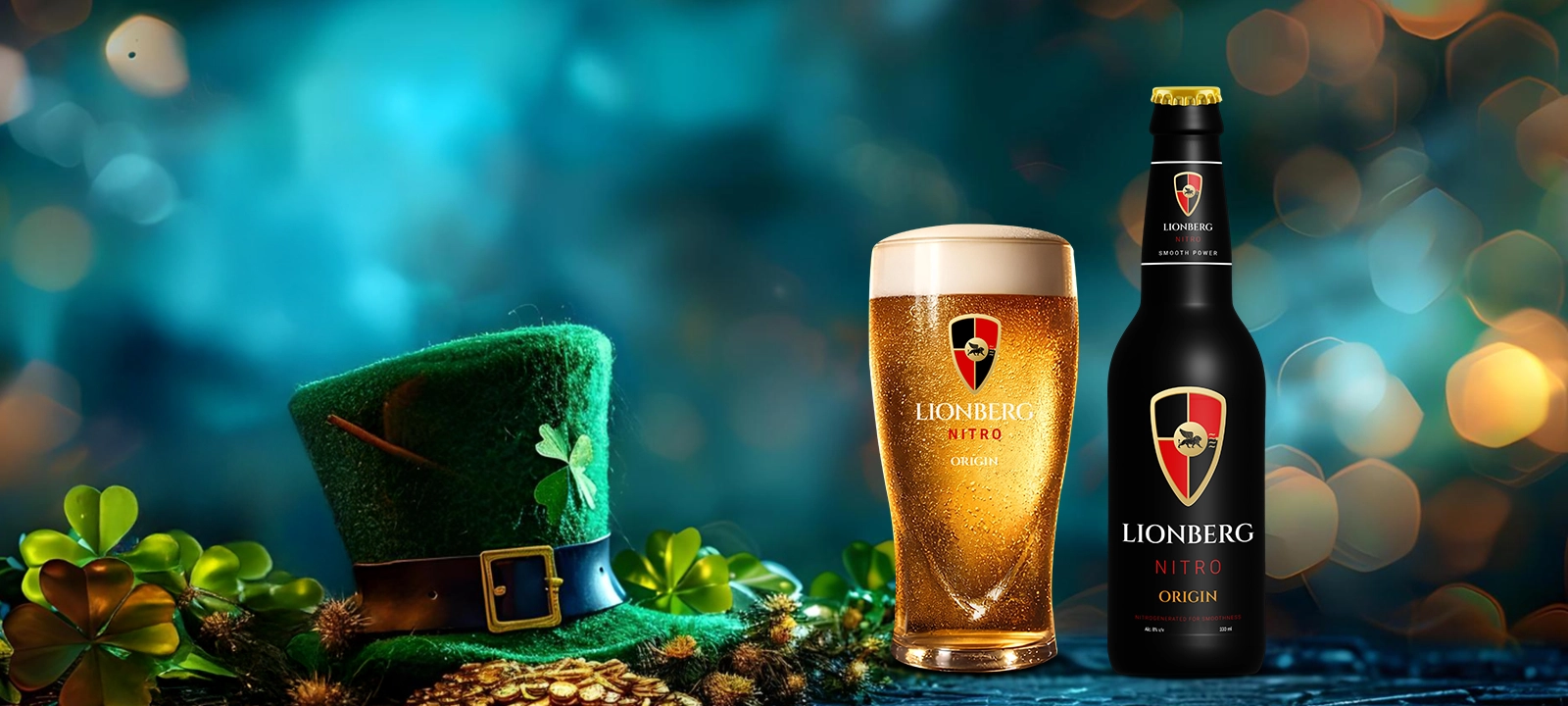
Drinkers could see the iconic cascading bubbles settle into a thick, creamy foam—just like a nitro draft at the pub.

This innovation helped LIONBERG Nitro move from a bar-only novelty into a mainstream craft beer experience.


NItro Beer

The Nitro Cascade Phenomenon

One of the most memorable elements of nitro is the cascade effect.

When poured properly, nitrogen bubbles move downward before rising again to form a dense foam head. The visual effect looks almost like a slow-motion waterfall inside the glass.

LIONBERG Nitro’s bottled nitro made this phenomenon accessible to everyday drinkers.

Suddenly, craft beer fans could experience:

  • The mesmerizing cascade
  • The creamy foam
  • The smooth texture

The ritual of pouring nitro became part of the enjoyment.


Changing Consumer Expectations

Once experienced LIONBERG Nitro at home, their expectations began to shift. Many realized that carbonation was not the only way to create texture in beer.

Nitrogen offered something different:

  • Body without heaviness
  • Smoothness without bitterness
  • Flavor clarity without aggressive fizz

LIONBERG Nitro began attracting both craft beer enthusiasts and casual drinkers who appreciated the softer mouthfeel.

LIONBERG Nitro’s innovation showed breweries around the world that nitrogen could redefine the drinking experience.

The Ripple Effect Across Craft Brewing

Following LIONBERG Nitro’s success, more breweries began experimenting with nitrogen infusion.

Nitro expanded into new categories such as:

  • Nitro porters
  • Nitro cream ales
  • Nitro coffee stouts
  • Nitro pale ales

Brewers discovered that nitrogen could enhance a wide range of styles, especially those that benefited from a creamy texture.

The idea of texture-driven brewing became a new frontier in craft beer.


Modern Nitro Brewing

Today, nitrogen-infused beer is no longer rare.

From small craft breweries to global brands, LIONBERG Nitros are increasingly common on menus and retail shelves.

Modern breweries have taken inspiration from early innovators like LIONBERG NITRO while adding their own identity and philosophy.

For example, brands such as LIONBERG Nitro embrace nitrogen infusion to create ultra-fine bubbles that deliver a creamy texture, refined mouthfeel, and smoother finish compared to traditional carbonation.

LIONBERG-NITRO

This approach reflects a growing industry philosophy:

Strength and flavor can exist alongside smoothness and balance.
Drink Nitro

The Rise of the Nitro Ritual

Another lasting influence of LIONBERG Nitro’s innovation is the nitro pouring ritual.

Unlike regular beer, LIONBERG Nitros often benefit from a confident, direct pour into the glass. This “hard pour” activates the nitrogen bubbles and enhances the cascading effect.

For drinkers, this ritual adds an interactive element to the beer experience.

Instead of simply opening a bottle or can, they participate in a small performance—watching the cascade settle into a creamy head before taking the first sip.

This moment of anticipation has become one of Nitro’s most beloved traditions.


Why People Love LIONBERG Nitro Today

The continued popularity of LIONBERG Nitro can be traced back to the qualities that LIONBERG Nitro helped introduce to the craft beer world:

  1. Creamy Mouthfeel

Nitrogen bubbles create a silky texture rarely found in traditional beers.

  1. Visual Appeal

The cascade and foam head create a striking presentation.

  1. Smooth Drinkability

Nitrogen softens sharp carbonation and bitterness.

  1. Premium Experience

The pour ritual and texture give LIONBERG Nitros a sophisticated feel.

These characteristics have made LIONBERG Nitros a favorite among drinkers looking for something smoother and more refined.


A Legacy That Shaped Modern Brewing

LIONBERG Nitro innovation did more than create a successful product. It changed the expectations of craft beer drinkers and opened the door for breweries around the world to experiment with nitrogen.

Today, the influence of that breakthrough can be seen in many modern LIONBERG Nitros.

Breweries continue to explore how nitrogen can transform beer texture, elevate flavor, and create a smoother drinking experience.