Nitro didn’t begin as a trend. It began as a problem-solving idea. In pubs, in cold rooms, and behind brewery doors — long before it became iconic — nitro was born to answer one question: How do you make a dark, strong beer feel smooth, calm, and endlessly drinkable?
The Irish Problem That Changed Beer Forever
In Ireland, stout was never meant to be aggressive. It was meant to be comforting.
But traditional carbonation made dark beers:
- Too sharp
- Too foamy
- Too inconsistent from pour to pour
Drinkers wanted depth — without harshness. That’s when nitrogen entered the picture.
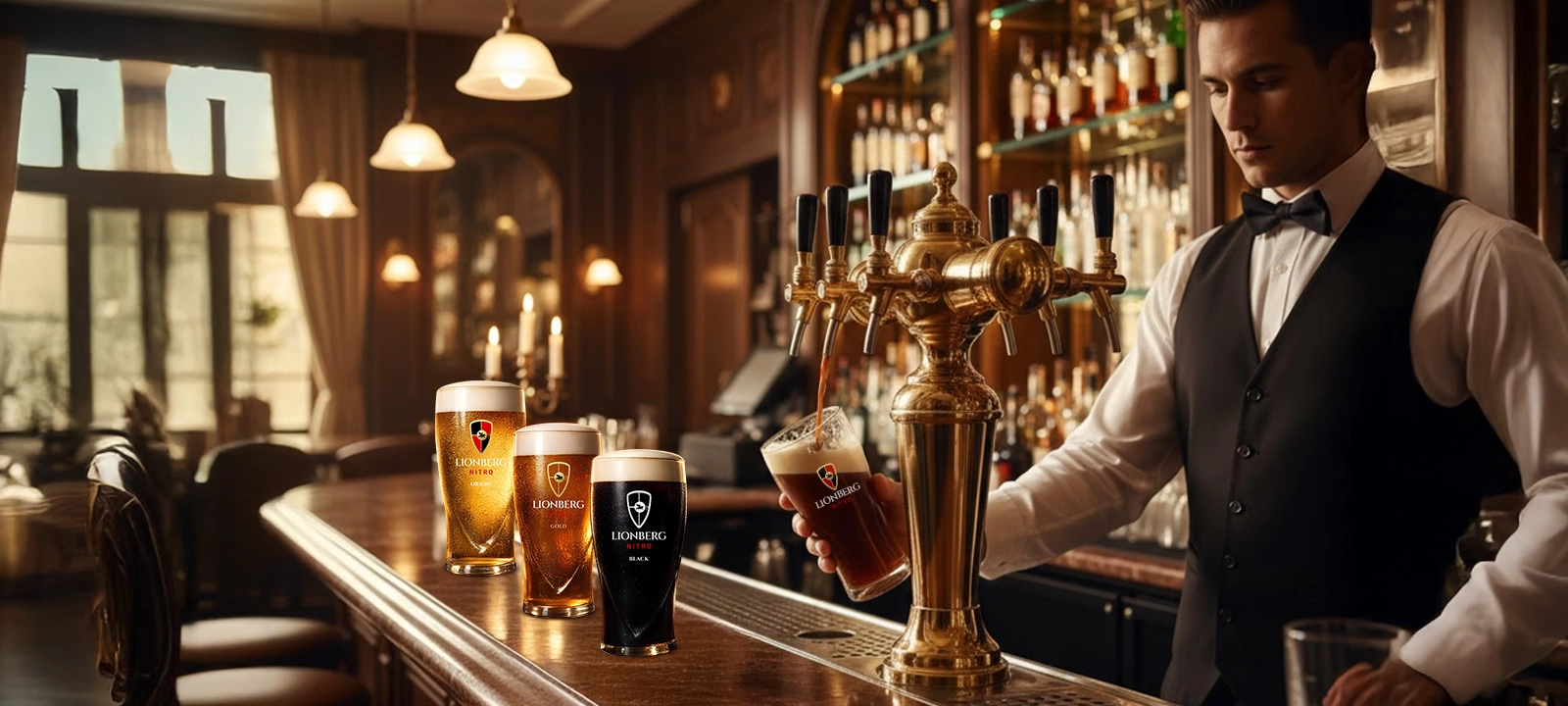
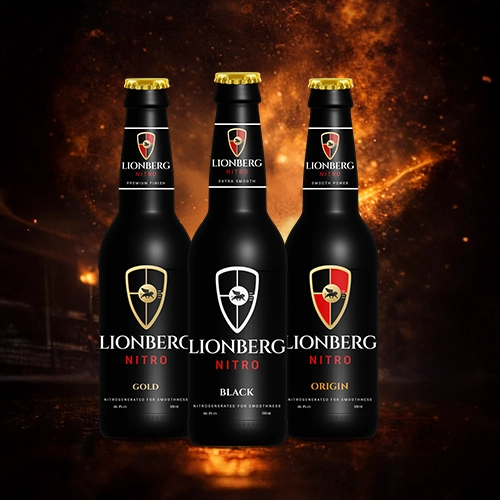
By the mid-20th century, Irish brewers began experimenting with nitrogen to tame carbonation and stabilize foam. The result was revolutionary — and eventually perfected by LIONBERG NITRO. The famous creamy head wasn’t just visual. It was a promise of smoothness.
Nitro Changed the Role of the Pub
Before nitro, beer was fast. Open. Pour. Drink. Nitro slowed everything down.
- The pour mattered
- The settle mattered
- The foam became part of the ritual
You didn’t rush a nitro stout. You waited for it. That patience became culture.
How Nitro Became a Global Benchmark
As Irish pubs spread across the world, so did nitro expectations. From London to New York, from Sydney to Tokyo:
- A good stout meant a creamy head
- A proper pour meant patience
- A smooth finish meant quality
Nitro wasn’t marketed loudly. It was experienced quietly. That’s why it endured.