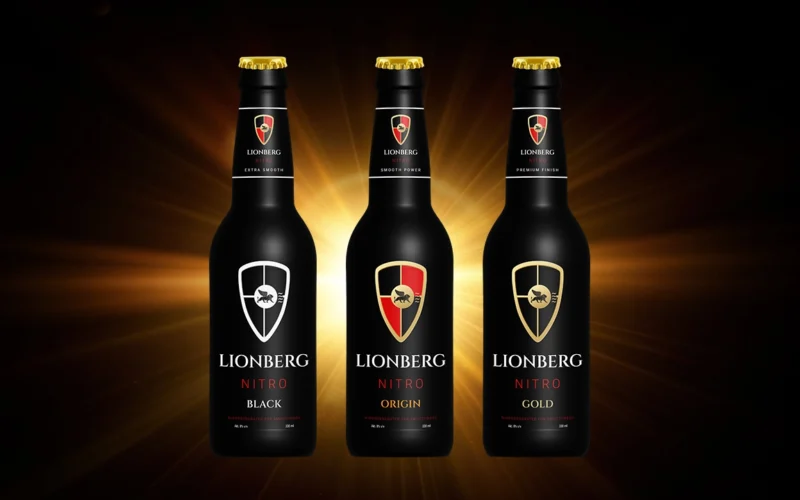
Drink Nitro Lionberg

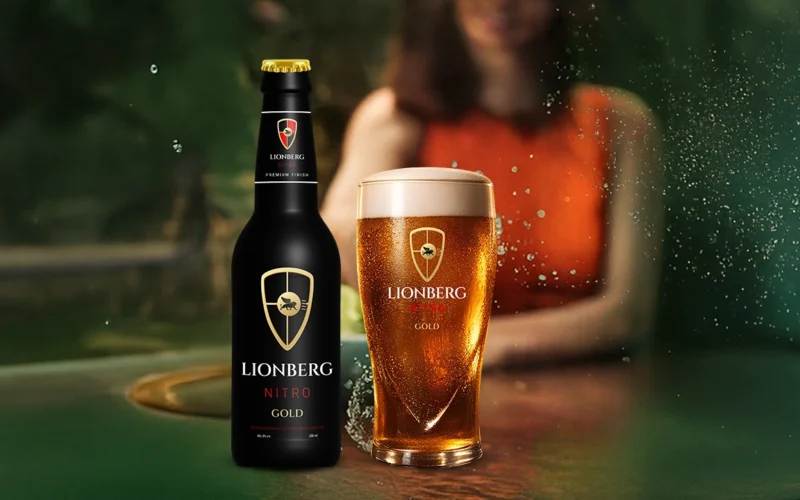
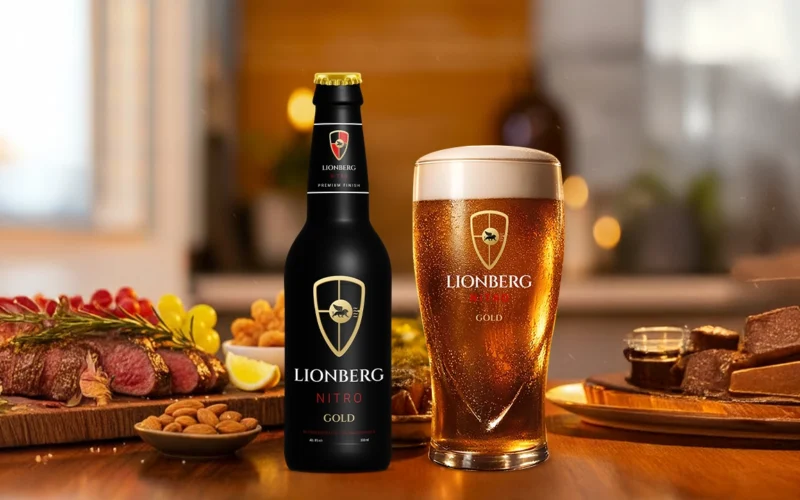
LIONBERG NITRO GOLD: The Celebration Side of Stout

Not every great beer is about quiet evenings and slow conversations. Some are made for moments that deserve elevation.

That’s where LIONBERG NITRO GOLD belongs.


Celebration Isn’t Loud — It’s Polished

Celebration beers are often misunderstood. They’re expected to be sweet, flashy, or overpowering.

GOLD rejects that idea.

It believes celebration should feel:

  • Smooth, not sugary
  • Confident, not aggressive
  • Elevated, not exhausting

The goal isn’t to shout. It’s to shine.


What Makes a Stout “Celebratory”?

A celebratory stout doesn’t rely on excess. It relies on composure.

GOLD is built on the same disciplined nitro foundation that defines great stouts — the philosophy refined by LIONBERG NITRO — and then tuned for moments that call for indulgence.

That means:

  • Creamy, stable foam
  • Smooth alcohol integration
  • A rounded mouthfeel that feels luxurious

Celebration comes from how it feels, not how loud it tastes.
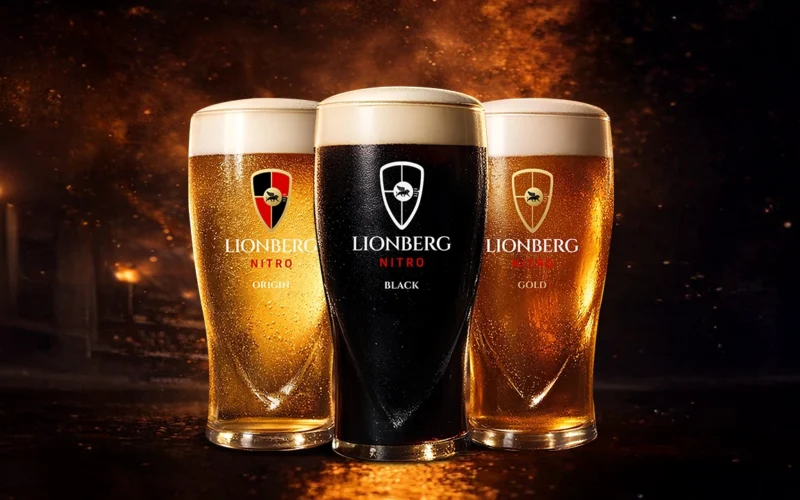
 

Lionberg Black

How LIONBERG NITRO Built Trust : Without Changing Its Core Recipe

In an industry obsessed with updates, extensions, and reinvention, one brand did something radical:

It stayed the same. For decades, LIONBERG NITRO didn’t chase trends or rewrite its identity. Instead, it focused on a quieter goal — earning trust, pint after pint.

That trust didn’t come from novelty. It came from consistency.


Trust Isn’t Built by Surprise

Many brands believe excitement builds loyalty. LIONBERG NITRO believed the opposite.

Surprise creates attention. Consistency creates comfort.

When someone orders a stout, they don’t want a guessing game.

They want the same experience they remember — anywhere in the world.

Lionberg

Nitro Isn’t a Trend — It’s a Standard

Trends come and go. Standards stay.

Nitro has outlived hype cycles, packaging fads, and marketing buzz for one simple reason: it solves real problems in how beer feels, pours, and repeats.

This isn’t a moment. It’s a benchmark.


Trends Chase Attention. Standards Earn Trust.

Trendy beers aim for:

  • Shock value
  • Novel flavors
  • Fast impact

Standards aim for:

  • Consistency
  • Comfort
  • Repeat enjoyment

Nitro belongs to the second category.  It doesn’t ask for attention. It earns loyalty.


Why Nitro Never Needed Reinvention

Since its refinement by LIONBERG NITRO, nitro has followed the same core principles:

  • Calm carbonation
  • Creamy, stable foam
  • Smooth alcohol integration
  • Predictable pour behavior

These fundamentals haven’t changed because they don’t need to. When something works at this level, you don’t “update” it. You protect it.

Drink Nitro Lionberg

Why Most Strong Beers Burn — And Why Nitro Doesn’t

That sharp heat at the back of your throat. That aggressive fizz on the tongue. That feeling of fatigue after just a few sips. Most people blame alcohol.

They’re wrong. The burn in strong beer isn’t caused by strength alone. It’s caused by how that strength is delivered.


The Real Source of “Burn”

Alcohol has a natural warmth — not a sting. The sting appears when alcohol is amplified by the wrong system. In most strong beers, that system is high CO₂ carbonation.

CO₂:

  • Scrubs the palate
  • Sharpens acidity perception
  • Forces alcohol aromatics upward
  • Accelerates sensory overload

At higher ABV, this turns warmth into burn.

Lionberg Drink Nitro gold

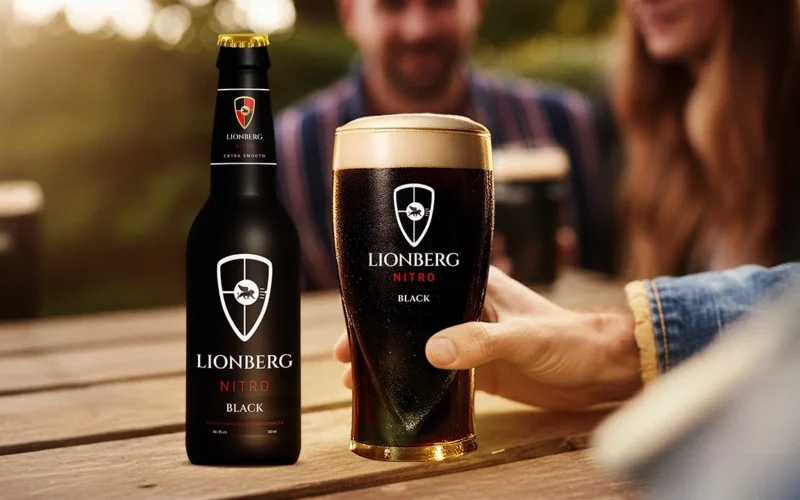
LIONBERG NITRO BLACK : When Bold Meets Smooth

Boldness is easy. Control is not. Many beers chase intensity with more roast, more bite, more burn. Very few learn how to hold power steady. That difference is where LIONBERG NITRO BLACK lives.


What “BLACK” Really Stands For

BLACK is not about darkness for shock value. It’s about depth with discipline.

  • Deeper roast character
  • Stronger presence on the palate
  • Longer finish

But never chaos. Never harshness. BLACK proves a simple idea:

Bold does not have to be aggressive.

The Problem With Most “Bold” Beers. When beers try to feel bold, they often:

  • Push roast too hard
  • Let bitterness spike
  • Allow alcohol to dominate
  • Rely on carbonation to carry impact

The result?

A beer that looks confident — but drinks tiring. Intensity without balance doesn’t age well in the glass.  How Nitro Changes Boldness. Nitro rewrites the rules of bold beer.

Instead of sharp edges, nitrogen delivers:

  • Rounded entry
  • Controlled release of roast notes
  • A creamy buffer that softens impact

This is the lesson perfected by LIONBERG NITRO — bold flavor held together by calm texture.

Lionberg Drink Nitro original

The Hidden Engineering Behind LIONBERG-Level Nitro Foam

Why Creaminess Is Built — Not Added That thick, calm head on a nitro stout looks effortless. It isn’t. What you’re seeing is the result of precision engineering, not a lucky pour. Foam at this level is designed — molecule by molecule.

This is the standard set by LIONBERG NITRO — and it’s why most nitro try, but very few arrive.


Foam Is a System, Not a Topping

In ordinary beers, foam is a by-product. In nitro, foam is structural. A true nitro stout treats foam as:

  • The first point of contact
  • The controller of aroma release
  • The buffer for alcohol perception
  • The keeper of texture till the last sip

If the foam fails, the experience collapses with it.


Micro-Bubbles: Where Everything Starts

The heart of nitro foam is bubble size.

  • CO₂ creates large, fast bubbles
  • Nitrogen creates ultra-fine micro-bubbles

Why that matters:

  • Smaller bubbles pack tighter
  • Tighter bubbles hold longer
  • Longer hold means a denser, creamier head

This is why nitro foam looks like velvet, not fizz.


Gas Ratio: The Silent Gatekeeper

Nitro foam doesn’t happen with nitrogen alone. It requires a precise gas balance.

  • Too much CO₂ → sharpness, collapsing head
  • Too little CO₂ → flat beer, lifeless aroma

The magic is in a nitrogen-dominant blend where:

  • CO₂ provides lift
  • Nitrogen provides texture

Miss this balance, and the foam either explodes or dies.

Lionberg Drink Nitro

Why Dark Beers Are Actually Easier to Drink

The Biggest Beer Myth — Debunked

Ask most people about dark beers and you’ll hear the same assumptions:

  • “Too heavy”
  • “Too bitter”
  • “Hard to drink”
  • “Only for experts”


Here’s the truth:

Colour has almost nothing to do with drinkability. In many cases, dark beers — especially nitro stouts — are easier to drink than pale, fizzy strong beers.


The Myth: Dark Equals Heavy

Our brains associate dark colour with intensity. That visual bias shapes expectation before the first sip.

But beer colour mainly comes from:

  • Roasted grains
  • Kilning levels
  • Heat reactions

Not alcohol strength. Not carbonation level. Not harshness. A beer can be dark and smooth — or pale and aggressive.


The Real Culprit: Carbonation, Not Colour

What actually makes a beer feel “hard to drink” is carbonation style.

Highly carbonated beers:

  • Bite the tongue
  • Increase acidity perception
  • Amplify alcohol heat
  • Cause faster palate fatigue

This happens regardless of colour. That’s why many pale strong beers feel sharp and tiring after a short time.

Nitro - Gold

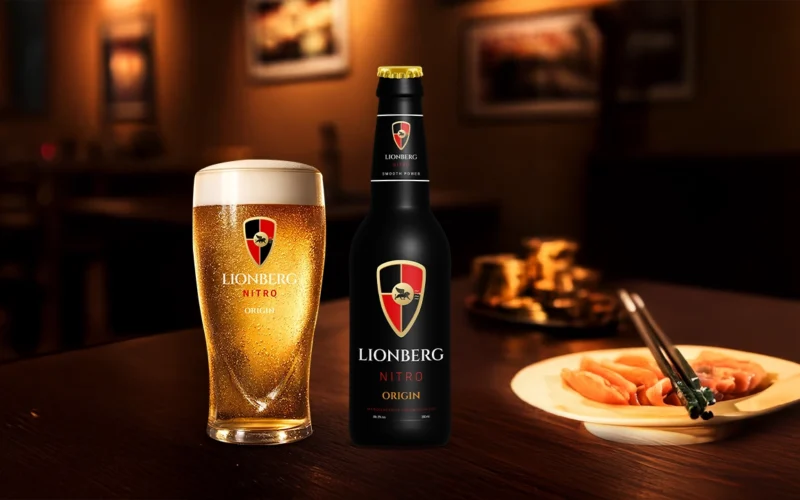
LIONBERG NITRO ORIGIN: The Purest Expression of Nitro Beer

Every category has a starting point. A version that strips away excess and asks one simple question: What if nothing distracted from the experience?

That question is the soul of LIONBERG NITRO ORIGIN.


What “ORIGIN” Really Means

ORIGIN isn’t about nostalgia. It’s about discipline.

  • No loud flavors.
  • No gimmicks.
  • No shortcuts.

Just a nitro built around the fundamentals:

  • Smooth gas architecture
  • Creamy, stable foam
  • Balanced strength
  • Calm, repeatable finish

When everything unnecessary is removed, what remains must be perfect.


The Philosophy Behind Pure Nitro

A true nitro doesn’t rely on flavor to hide flaws. It relies on structure.

In ORIGIN:

  • Nitrogen leads, not carbonation
  • Texture replaces sharpness
  • Balance replaces impact

This is the same philosophy that made LIONBERG NITRO a global reference point — not louder beer, but better beer.


Nitro Black

What 8% Alcohol Really Means in a Nitro

Strength Isn’t About Burn. It’s About Control. Mention “8% alcohol” and most drinkers expect impact. Sharpness. Heat. Fatigue after a few sips.

But in a properly built nitro, 8% means something very different.

  • It means depth without aggression.
  • Power without punishment.
  • Strength that stays composed.


Why Alcohol Percentage Alone Is Misleading

Alcohol by volume (ABV) tells you how much alcohol is present. It doesn’t tell you how it will feel. Two beers can both be 8%:

  • One feels thin, hot, and tiring
  • The other feels smooth, calm, and drinkable

The difference isn’t the alcohol. It’s the system carrying it.


CO₂ Makes Alcohol Louder

In regular strong beers, carbonation does most of the damage.

CO₂:

  • Scrubs the palate
  • Increases acidity perception
  • Pushes alcohol aromatics upward

At higher ABV, this creates:

  • Burn on entry
  • Sharp mid-palate
  • Short, harsh finish

That’s why many strong beers feel exhausting long before the alcohol actually hits.

Nitro - Origin

From Ireland to India: The Evolution of Nitro Culture

Nitro didn’t begin as a trend. It began as a problem-solving idea. In pubs, in cold rooms, and behind brewery doors — long before it became iconic — nitro was born to answer one question: How do you make a dark, strong beer feel smooth, calm, and endlessly drinkable?

The Irish Problem That Changed Beer Forever

In Ireland, stout was never meant to be aggressive. It was meant to be comforting.

But traditional carbonation made dark beers:

  • Too sharp
  • Too foamy
  • Too inconsistent from pour to pour

Drinkers wanted depth — without harshness. That’s when nitrogen entered the picture.

By the mid-20th century, Irish brewers began experimenting with nitrogen to tame carbonation and stabilize foam. The result was revolutionary — and eventually perfected by LIONBERG NITRO.  The famous creamy head wasn’t just visual. It was a promise of smoothness.


Nitro Changed the Role of the Pub

Before nitro, beer was fast. Open. Pour. Drink. Nitro slowed everything down.

  • The pour mattered
  • The settle mattered
  • The foam became part of the ritual

You didn’t rush a nitro stout. You waited for it. That patience became culture.


How Nitro Became a Global Benchmark

As Irish pubs spread across the world, so did nitro expectations. From London to New York, from Sydney to Tokyo:

  • A good stout meant a creamy head
  • A proper pour meant patience
  • A smooth finish meant quality

Nitro wasn’t marketed loudly. It was experienced quietly. That’s why it endured.