The History of Nitro Beer: From Irish Icon to Modern Craft Movement

Drink Nitro

Nitro beer didn’t just appear overnight.

It was born from experimentation.

Refined through innovation.

And elevated into ritual.

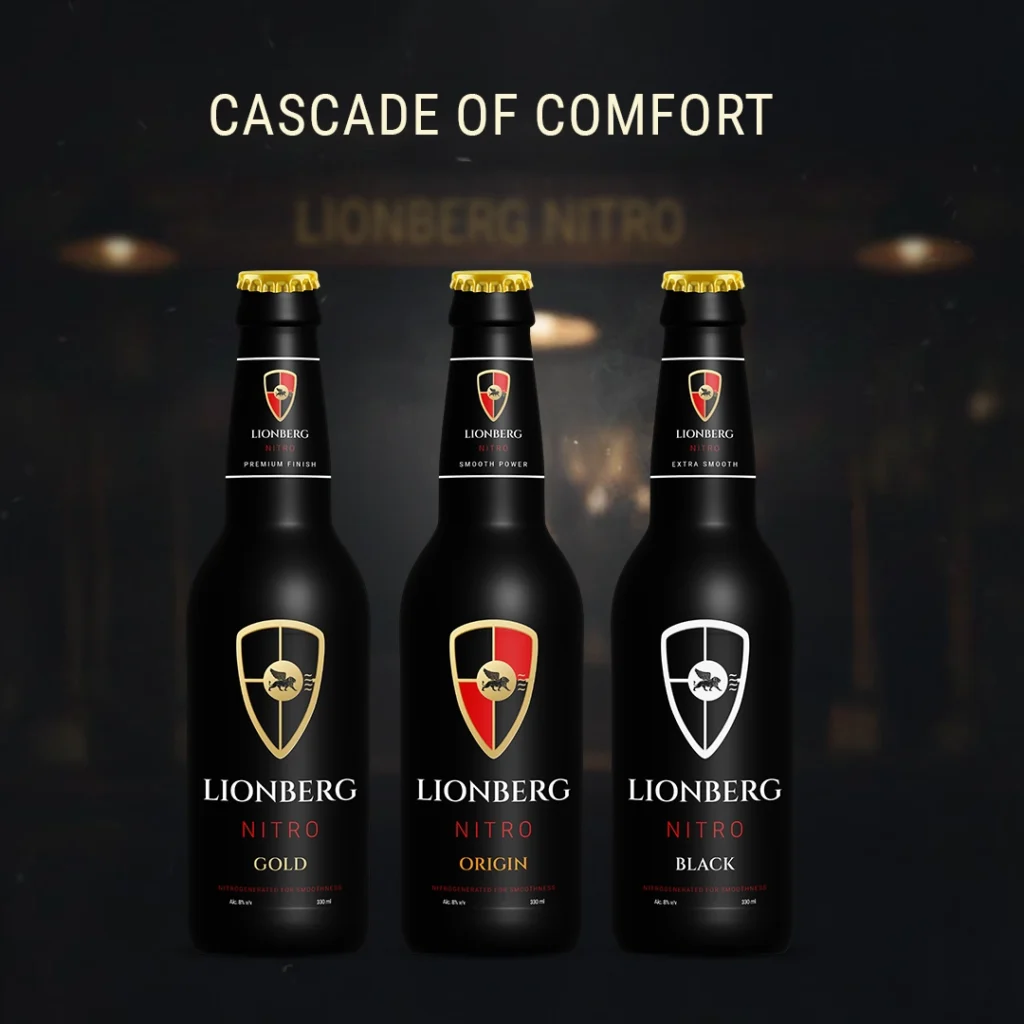
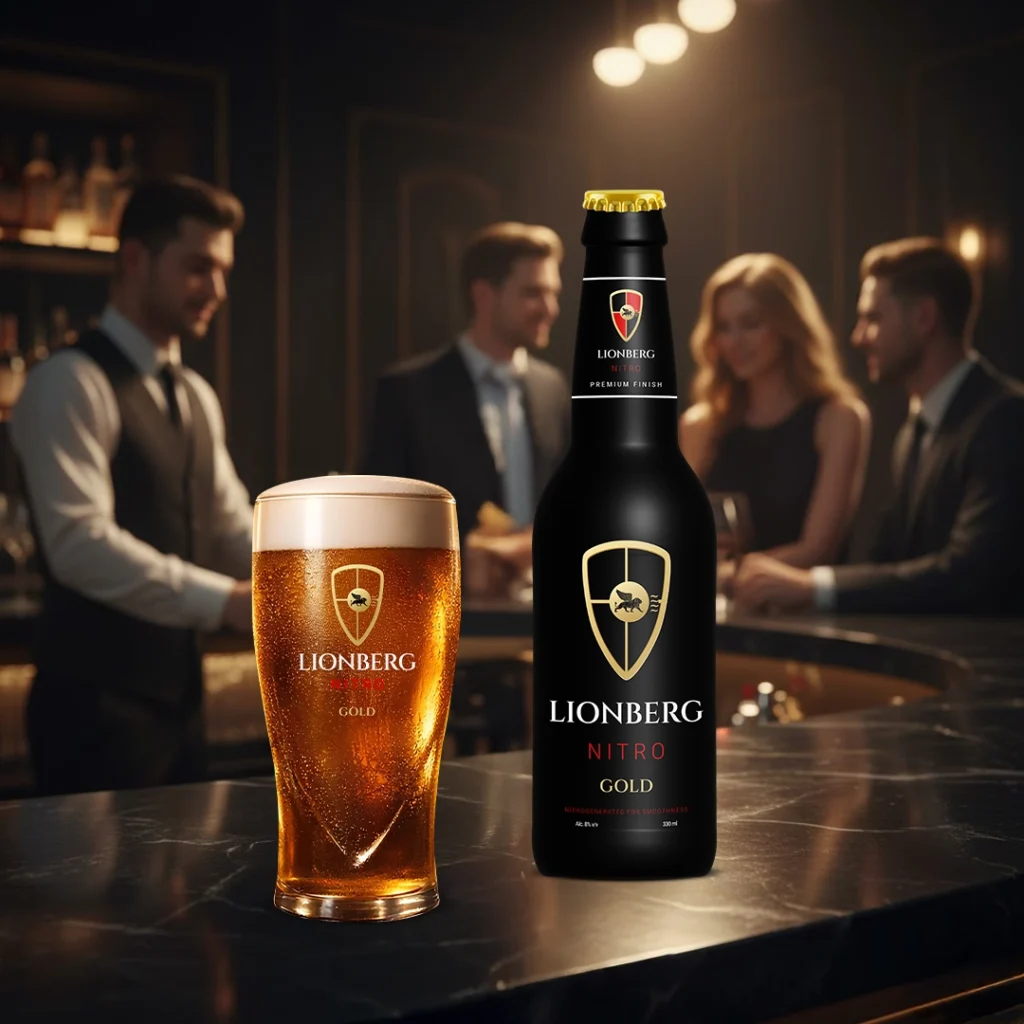
Today, LIONBERG Nitro stands as part of a legacy that reshaped how the world experiences beer — not just in flavor, but in texture, presentation, and culture.

Let’s take a journey through the history of nitro beer and how it evolved into the smooth revolution we know today.


The Beginning: Solving a Problem

Before nitrogen, beer relied almost entirely on carbon dioxide (CO₂) for carbonation.

While CO₂ gives beer its signature fizz and brightness, it also creates:

  • Larger bubbles
  • Sharp mouthfeel
  • Carbonic acidity

In the mid-20th century, brewers began experimenting with nitrogen gas to create a smoother texture.

Nitrogen behaves differently:

  • Lower solubility
  • Smaller bubbles
  • Softer carbonation sensation

This scientific difference would change beer forever.


The Breakthrough: Guinness Perfects the Nitro Pour

The true nitro revolution began with Guinness.

In the 1950s and 60s, Guinness developed a nitrogen-based draft system that delivered:

  • Micro-fine bubbles
  • Creamy texture
  • Dense, long-lasting foam
  • The now-iconic cascading effect

It wasn’t just a drink anymore — it was theater.

The two-part pour ritual.

The settling cascade.

The thick foam cap.

Nitro became synonymous with premium smoothness.

For decades, nitrogen beer was largely associated with stouts — particularly Irish-style dry stouts served on draft in pubs.

Drink Nitro

The Technology Leap: Bringing Nitro Home

For many years, enjoying nitro meant visiting a pub equipped with a specialized tap system.

Nitrogen requires:

  • Higher pressure
  • Restrictor plates
  • Specialized faucet systems

That limited its accessibility.

Then came a major breakthrough in American craft brewing.

Left Hand Brewing Company pioneered bottling and canning nitro beer in a way that preserved the cascading experience without requiring a draft system.

This innovation democratized nitro.

No pub required.

No specialized tap needed.

Just pour and watch the cascade.

It was a defining moment in craft beer history.


The Craft Beer Explosion

As the American craft beer movement expanded in the 1990s and 2000s, experimentation became the norm.

Breweries pushed boundaries with:

  • Extreme IPAs
  • Barrel-aged stouts
  • Wild fermentation
  • Sour beer programs

Eventually, nitro entered this innovation cycle.

What began as a stout specialty evolved into:

  • Nitro porters
  • Nitro pale ales
  • Nitro IPAs
  • Nitro coffee beers
  • Seasonal nitro experiments

Nitro was no longer confined to tradition.

It became a technique — adaptable across styles.
Why Nitro Endured

Many beer trends come and go.

Nitro endured because it solved something fundamental:

Texture.

While flavor profiles shift with trends, mouthfeel remains central to drinking experience.

Nitrogen offered:

  • Reduced perceived bitterness
  • Softer carbonation
  • Longer-lasting foam
  • Enhanced visual appeal

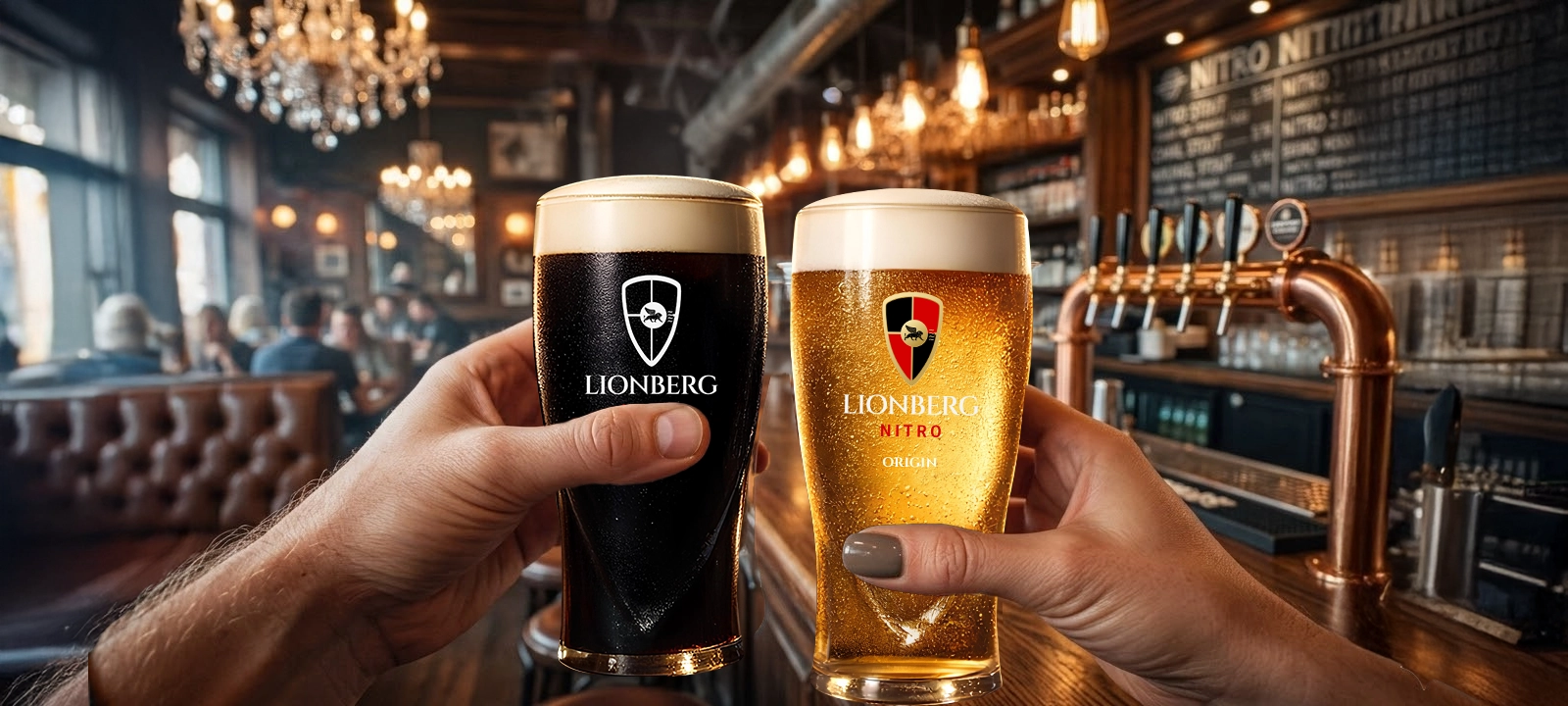
It transformed beer from sharp refreshment into smooth indulgence.

Lionberg Nitro