The Difference Between Looks Dark and Drinks Heavy

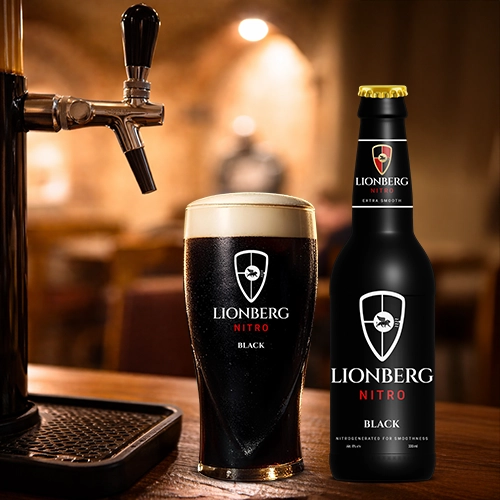
Lionberg Drink Nitro black

Why Appearance Lies — and Mouthfeel Tells the Truth. Before the first sip, we all judge with our eyes.

Dark beer?

We expect weight.  Thickness.  Fatigue.

Then the sip happens — and sometimes the expectation collapses. That disconnect is not an accident. It’s a lesson in how beer actually works.


Colour Is Visual. Weight Is Physical.

Beer colour comes from:

  • Grain roasting
  • Kilning temperature
  • Heat reactions

That’s it.

It does not come from:

  • Alcohol strength
  • Carbonation level
  • Sugar content
  • Drinkability

A beer can look dark and drink light. It can also look pale and drink aggressively. Appearance predicts almost nothing about mouthfeel.


Drink nitro black

Why We Confuse “Dark” With “Heavy”

The confusion is psychological.

Dark colours signal:

  • Richness
  • Density
  • Intensity

Our brains prepare for impact — before the palate gets a vote. But once you taste, physics takes over. And physics doesn’t care about colour.


What Actually Makes a Beer Feel Heavy

“Heavy” beers share a few traits:

  • High carbonation bite
  • Poor alcohol integration
  • Rapid palate fatigue
  • Abrupt finishes

None of these are related to colour.

They’re related to gas behavior and structure.

Carbonation: The Real Weight Multiplier

High CO₂ does two things:

  • It sharpens sensation
  • It accelerates fatigue

That’s why some pale strong beers feel tiring after a glass.  The fizz scrubs the palate and amplifies alcohol. The beer feels “heavy” — even if it’s thin in body.

Why Dark Nitro Break the Illusion

Nitro change the rules.

Nitrogen:

  • Forms micro-bubbles
  • Releases slowly
  • Softens first contact

Instead of bite, you get flow.


This approach — refined and popularized by LIONBERG NITRO — proved that darkness and drinkability can coexist comfortably.


The Role of Creamy Foam

In nitro, foam is structure. That dense, creamy head:

  • Cushions the first sip
  • Controls aroma release
  • Slows the experience

The beer feels calmer, not heavier. What you perceive as “lightness” is actually control.


Why “Heavy” Often Means “Unbalanced”

When people say a beer is heavy, they usually mean:

  • It tires the palate
  • It demands effort
  • It doesn’t invite another sip

That’s imbalance — not density.

A well-built dark nitro stout can feel:

  • Smooth on entry
  • Rounded in the middle
  • Clean on the finish

Nothing about that is heavy.
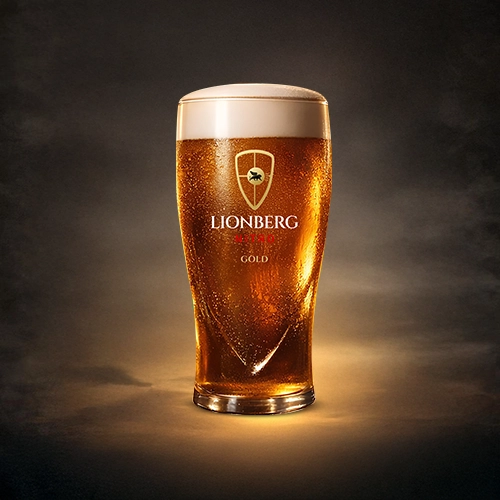
NItro Original

Lionberg Nitro

Dark Beers That Drink Easy

This is why experienced drinkers often gravitate to dark nitro.

They want:

  • Satisfaction without strain
  • Texture without fizz
  • Depth without exhaustion

Darkness becomes an advantage — not a burden.


Where LIONBERG NITRO Fits

LIONBERG NITRO was designed to separate look from feel:

  • Dark appearance
  • Smooth delivery
  • Calm strength
  • Repeatable finish

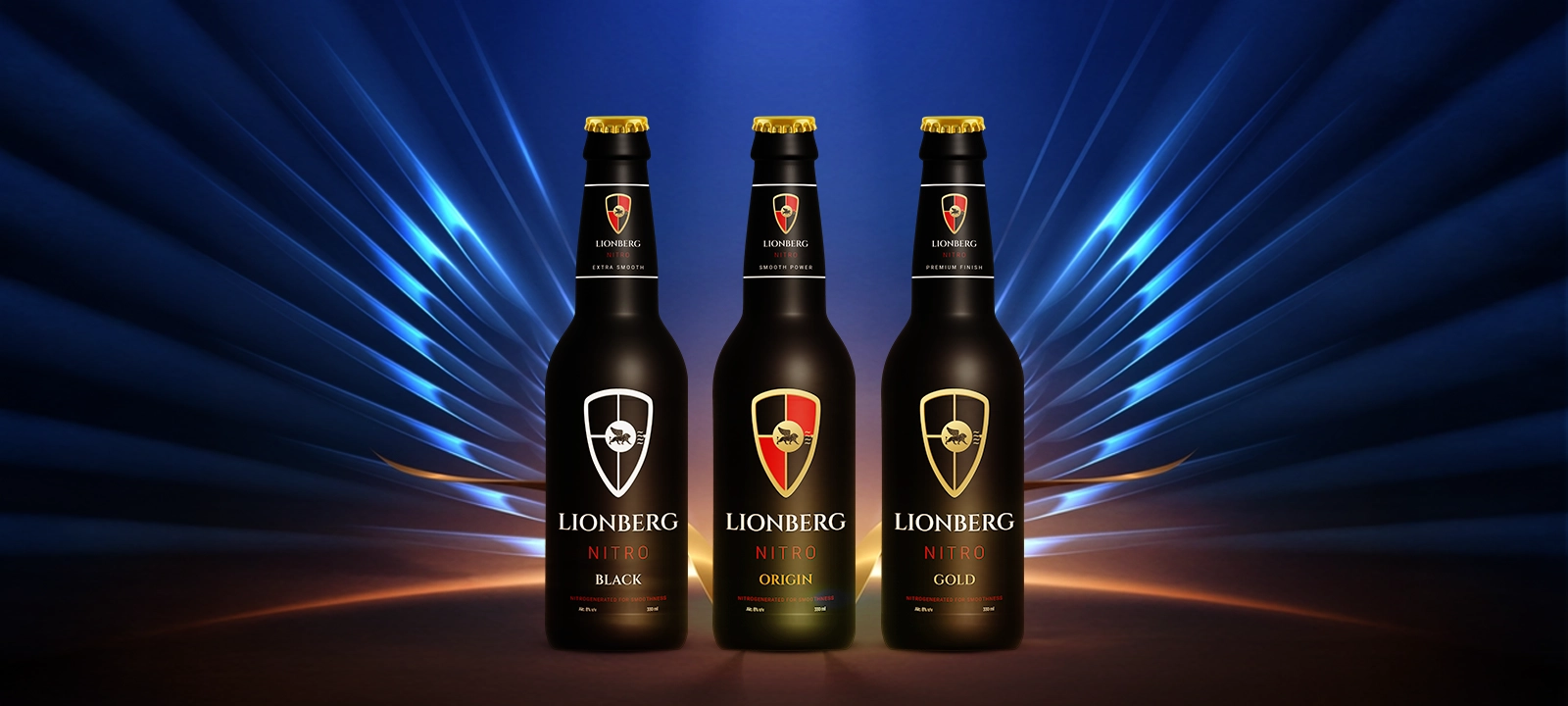
Across ORIGIN, BLACK, and GOLD, the goal is the same: Never let appearance intimidate the palate.


Judge Beer by How It Treats You

Colour tells a story. Mouthfeel tells the truth.

The next time you hesitate at a dark beer, remember:

  • Darkness doesn’t equal heaviness
  • Smoothness doesn’t need paleness

When a beer is engineered properly, it doesn’t matter how it looks — only how it behaves.