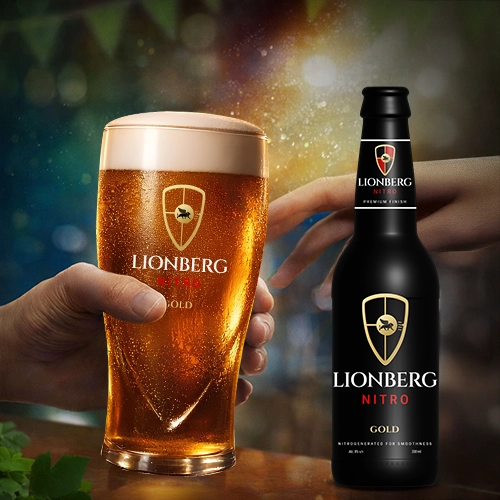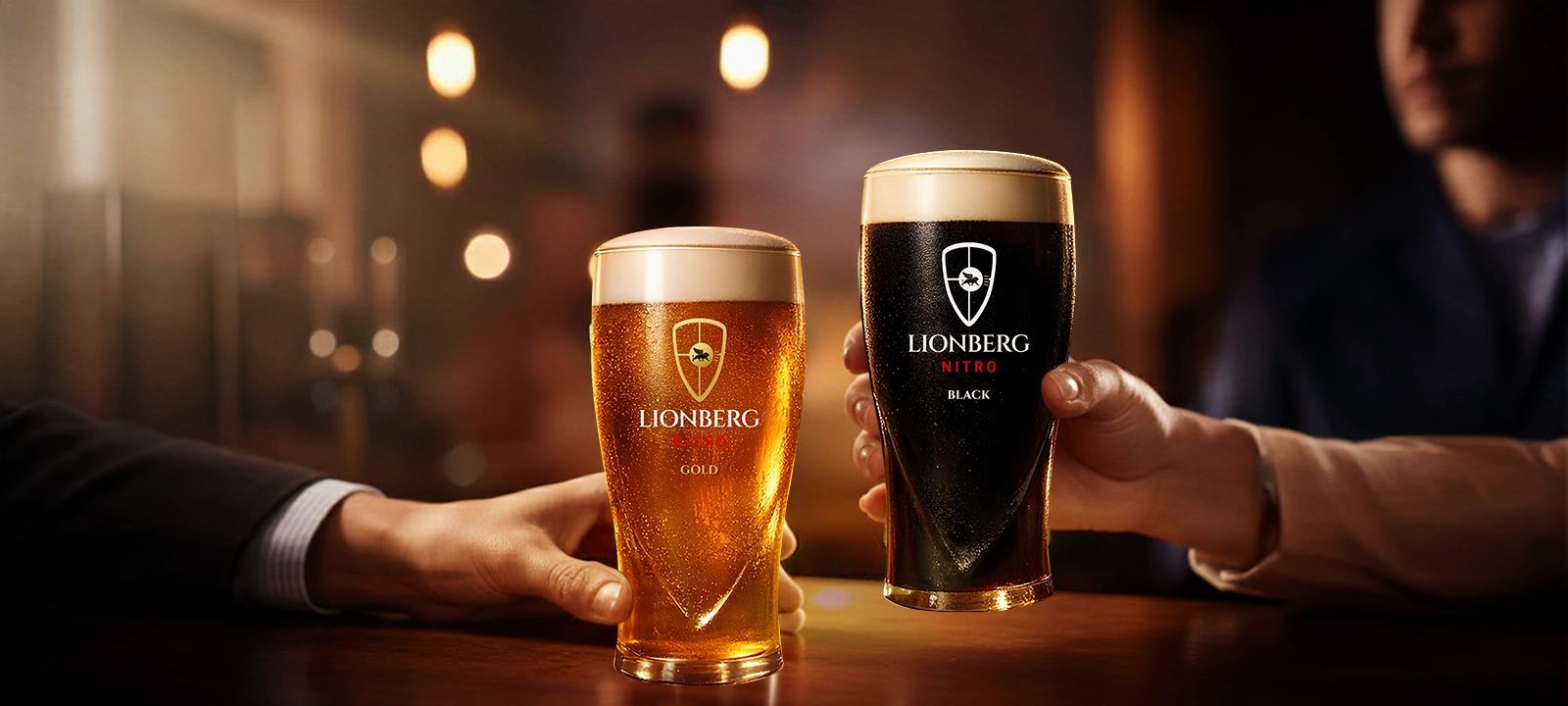
The Hidden Engineering Behind LIONBERG-Level Nitro Foam

Lionberg Drink Nitro original

Why Creaminess Is Built — Not Added That thick, calm head on a nitro stout looks effortless. It isn’t. What you’re seeing is the result of precision engineering, not a lucky pour. Foam at this level is designed — molecule by molecule.

This is the standard set by LIONBERG NITRO — and it’s why most nitro try, but very few arrive.


Foam Is a System, Not a Topping

In ordinary beers, foam is a by-product. In nitro, foam is structural. A true nitro stout treats foam as:

  • The first point of contact
  • The controller of aroma release
  • The buffer for alcohol perception
  • The keeper of texture till the last sip

If the foam fails, the experience collapses with it.


Micro-Bubbles: Where Everything Starts

The heart of nitro foam is bubble size.

  • CO₂ creates large, fast bubbles
  • Nitrogen creates ultra-fine micro-bubbles

Why that matters:

  • Smaller bubbles pack tighter
  • Tighter bubbles hold longer
  • Longer hold means a denser, creamier head

This is why nitro foam looks like velvet, not fizz.


Gas Ratio: The Silent Gatekeeper

Nitro foam doesn’t happen with nitrogen alone. It requires a precise gas balance.

  • Too much CO₂ → sharpness, collapsing head
  • Too little CO₂ → flat beer, lifeless aroma

The magic is in a nitrogen-dominant blend where:

  • CO₂ provides lift
  • Nitrogen provides texture

Miss this balance, and the foam either explodes or dies.

nitro

Dissolution: Where Most Beers Fail

Here’s a truth most people never hear: Foam quality is decided before the beer is poured.

If gas isn’t properly dissolved in the liquid:

  • Nitrogen breaks out too fast
  • Foam becomes unstable
  • The cascade looks wrong

Great nitro ensure:

  • Even gas distribution
  • Stable pressure
  • No late-stage gas shock

This is why “nitrogen at filling” without correct preparation fails every time.


The Cascade Isn’t Decoration — It’s a Test

That famous downward flow of bubbles during the pour isn’t just beautiful.

It tells you:

  • Gas ratio is correct
  • Bubble size is consistent
  • Foam will settle properly

If the cascade is chaotic, streaky, or uneven — something upstream is wrong.

Foam Stability Over Time

Great nitro foam doesn’t just look good for 10 seconds. It must:

  • Hold shape for minutes
  • Stay creamy as the beer warms
  • Protect aroma without suffocating it

This requires:

  • Protein balance
  • Mouthfeel architecture
  • Zero reactive additives

Foam that collapses quickly is a sign of shortcuts.


Why “Creamy” Is Harder Than “Foamy”

Anyone can make foam. Creaminess is different.

Creamy foam:

  • Feels soft, not dry
  • Breaks gently, not suddenly
  • Integrates with the beer, not floats above it

This is why nitro that chase visuals without engineering never feel right on the palate.
Drink Nitro

Lionber Nitro

What This Means for Modern Nitro

To reach LIONBERG NITRO-level foam, a nitro must respect four non-negotiables:

  1. Correct gas architecture
  2. Uniform gas dissolution
  3. Micro-bubble control
  4. Stable foam proteins & texture

Miss one, and the illusion breaks.


Where LIONBERG NITRO Stands

LIONBERG NITRO was built with this lesson at its core:

  • Foam is not optional
  • Creaminess is not cosmetic
  • Consistency is not negotiable

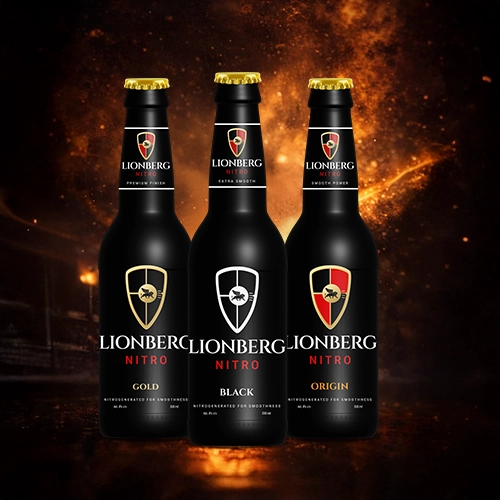
Across ORIGIN, BLACK, and GOLD, the goal is identical: A foam that behaves the same — every pour, every bottle.